
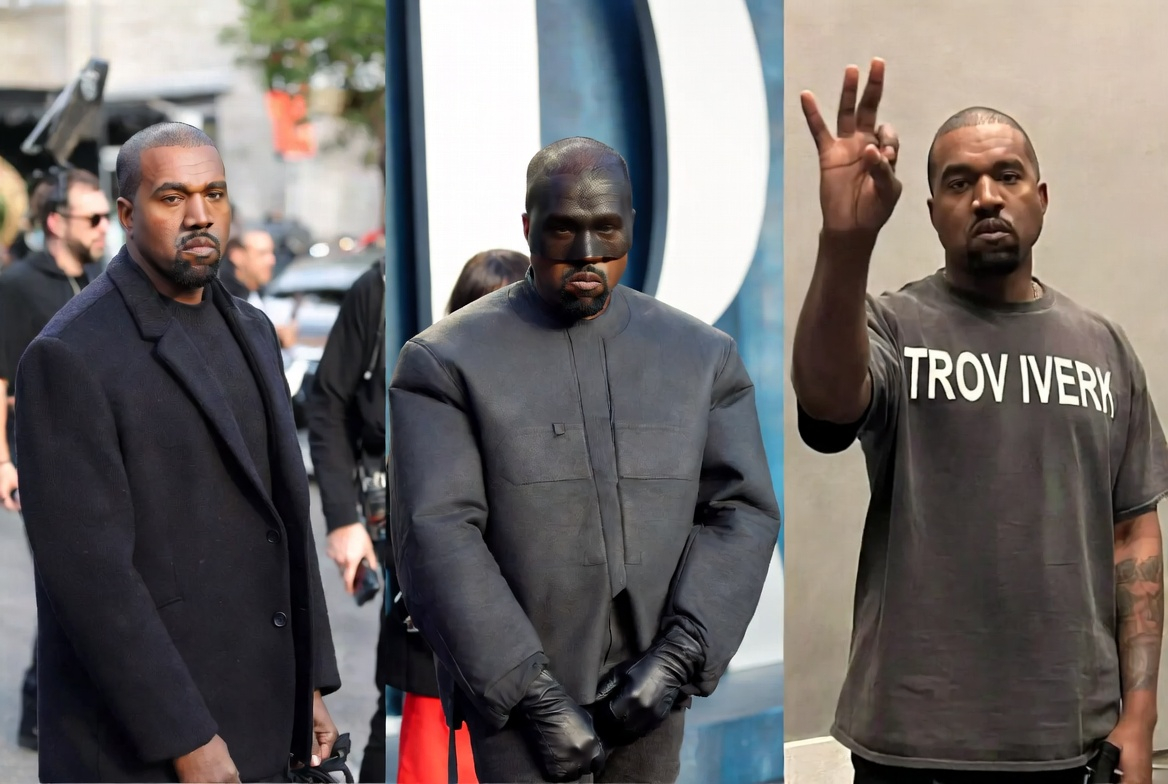
There is no artist in American cultural life who generates the specific quality of attention that Kanye West — who legally renamed himself Ye — continues to command in 2025. It is not admiration, exactly, though admiration for his musical achievements remains widespread even among his most vocal critics. It is not simple contempt, though contempt is certainly present in significant measure. It is something more complicated and more uncomfortable: the inability to look away from a genuinely brilliant person making choices that range from baffling to genuinely harmful, sometimes within the span of a single week.
The year opened with ongoing fallout from the business consequences that his public statements have continued to generate. Partners who had previously demonstrated extraordinary patience in absorbing controversy had reached limits, and the financial consequences — significant by any measure — appeared to have produced neither the strategic recalibration that observers hoped for nor the creative withdrawal that some predicted. Instead, what emerged was a doubling down that surprised even those who had followed his behavior most closely.
The music, when it came, reminded everyone why the conversation about Ye is so persistently complicated. Productions that demonstrated the full extent of his sonic genius sat alongside lyrical choices that generated immediate and serious criticism. Critics who wanted to dismiss the work entirely found themselves unable to do so honestly. Critics who wanted to celebrate it without qualification found themselves equally unable to maintain that position. The result was exactly the kind of cultural stalemate that his work has produced for years — and that, whatever else it represents, keeps him at the center of the conversation.
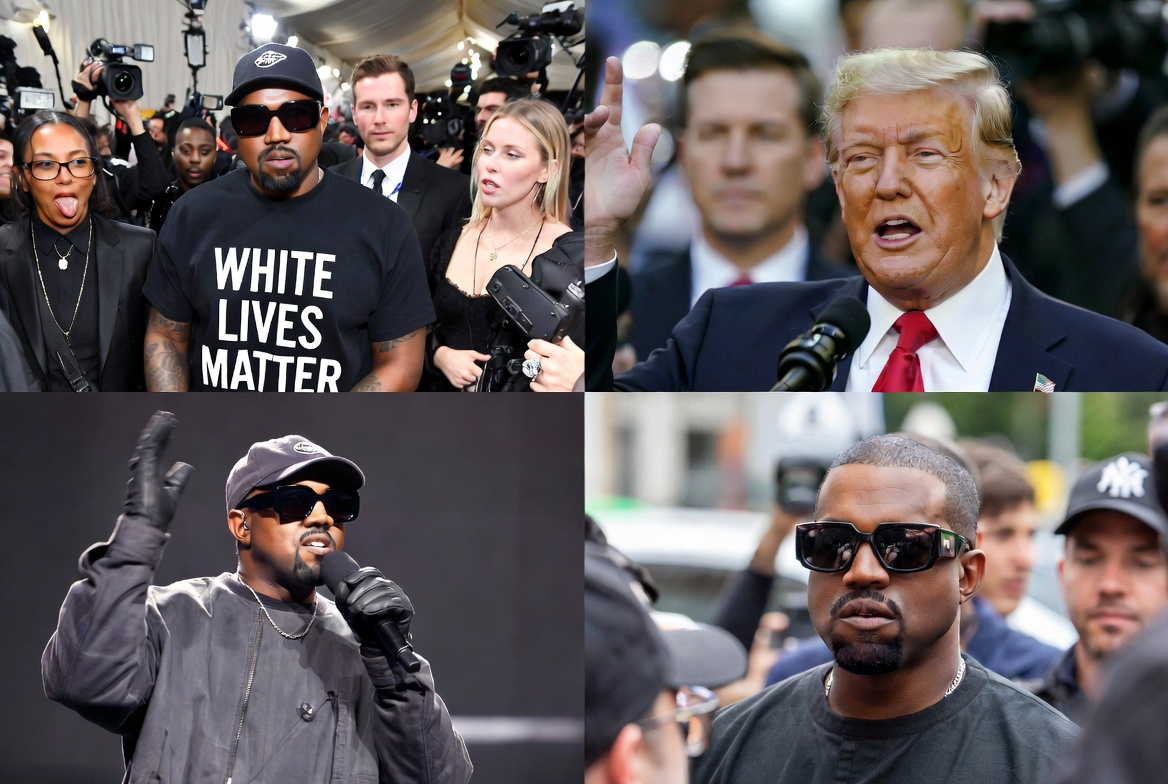
His relationship with Bianca Censori has continued to generate its own sustained media coverage — both for the visual spectacle of their public appearances and for the questions those appearances have raised about autonomy, influence, and the dynamics of power in relationships conducted entirely in public view. Commentators across the political and cultural spectrum have weighed in, with the conversation generating more heat than light on most occasions but occasionally producing genuinely thoughtful analysis of what the relationship reveals about celebrity culture more broadly.
The ongoing legal and financial dimensions of his divorce from Kim Kardashian continue to produce developments that keep both names in the headlines simultaneously. Sources familiar with the proceedings describe a situation that has become genuinely complex — not merely in the legal and financial dimensions, but in the human dimensions involving four children whose lives are being shaped by circumstances entirely outside their control or comprehension. Those who advocate for the children’s interests describe their situation with a concern that transcends the celebrity drama framing that most media coverage applies.
His public statements on social media — on the platforms that still permit his presence and through workarounds on those that do not — have maintained their capacity to generate immediate, significant controversy. The pattern has become familiar enough that cultural analysts have begun to examine it less as individual incidents and more as a sustained communication strategy, debating whether the controversy is calculated, compulsive, or some genuinely novel combination of both that existing frameworks cannot adequately capture.
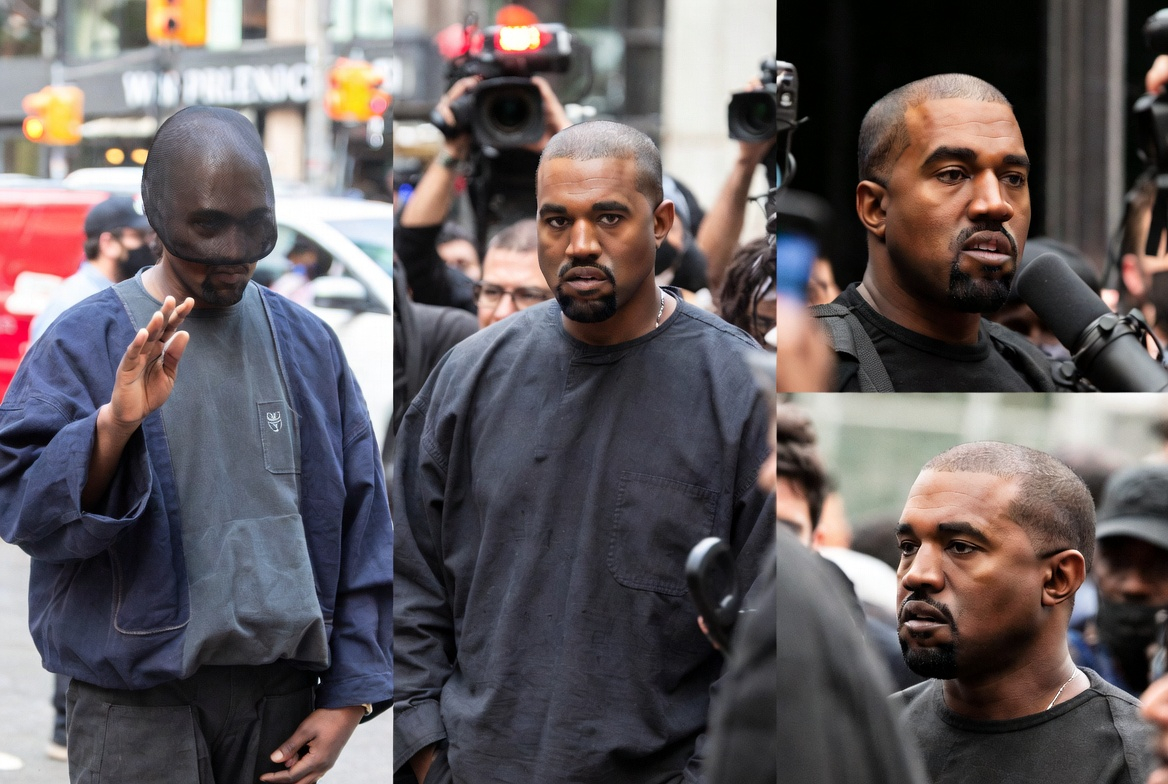
What the music community makes of Ye in 2025 is genuinely divided in ways that reflect deeper tensions about how to evaluate artistic genius alongside personal behavior. His influence on contemporary production is audible in the work of dozens of major artists who absorbed his innovations and built careers on foundations he established. That influence does not disappear because of what he has said or done. But neither does what he has said or done become more acceptable because of the influence.
The Kanye West story in 2025 is ultimately a story about the limits of cultural frameworks for handling genuinely exceptional people who cause genuine harm. The tools we have — cancellation, rehabilitation narratives, separating art from artist — all feel inadequate to the specific shape of this situation. And so the conversation continues, as it has for years, without resolution, without consensus, and without any sign that the subject himself is interested in providing the clarity that would allow it to conclude. He remains, as he has always been, impossible to ignore and impossible to simply accept. That, perhaps more than anything else, is his most consistent achievement.