
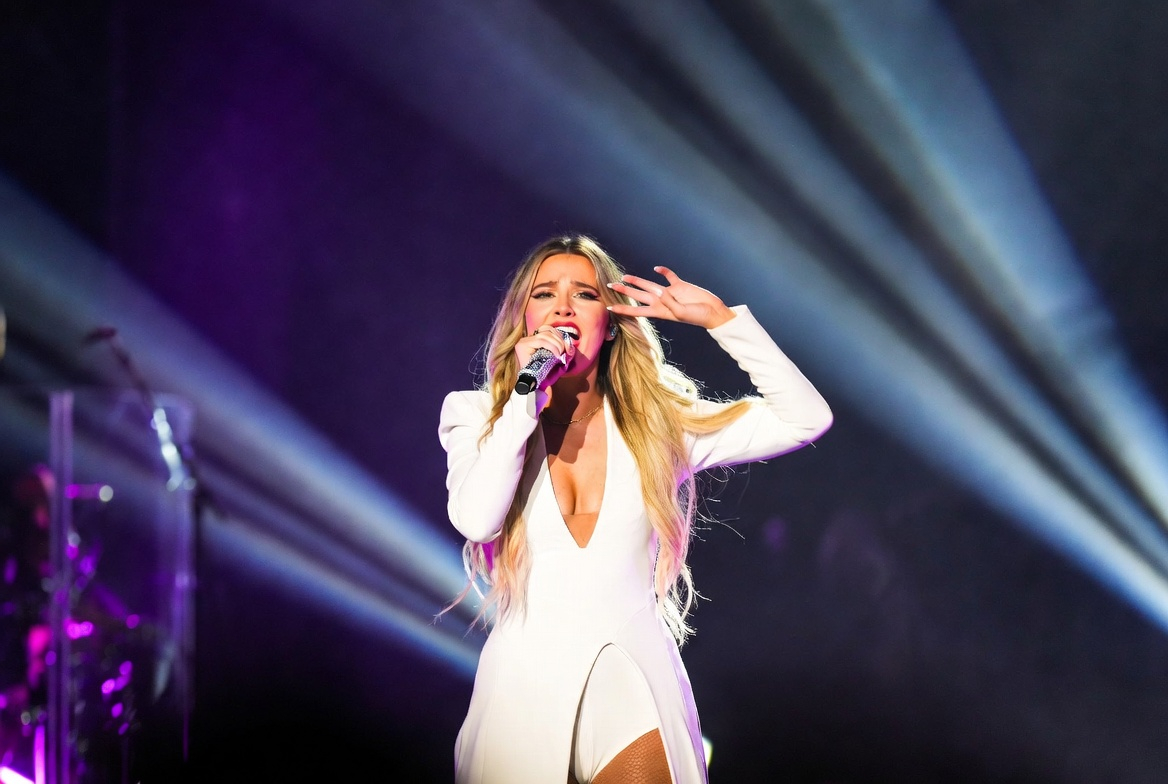
Once in a long while, an artist arrives who does not simply add to the pop music landscape — they fundamentally alter it. Chappell Roan is that artist for 2025, and the speed at which she has captured the collective imagination of American music fans is unlike anything the industry has witnessed in over a decade.
What makes her ascent genuinely extraordinary is not just the music — though the music is, by any objective measure, exceptional. It is the totality of what she represents: a complete artistic vision executed with theatrical boldness, lyrical honesty, and a performance energy that leaves audiences not merely entertained but genuinely transformed. Fans consistently describe her shows as the best live music experience of their lives, a claim that is remarkable both for its frequency and for the conviction with which it is made.
The statistics tell part of the story. Her streaming numbers have shattered records for an independent artist at her career stage. Her social media growth — organic, fan-driven, and completely unmanufactured — outpaced every algorithm prediction. Tickets to her shows sell out in minutes, with resale prices reaching levels that major arena acts have historically commanded. The demand has grown so rapidly that her team has had to dramatically scale up venue sizes mid-tour.
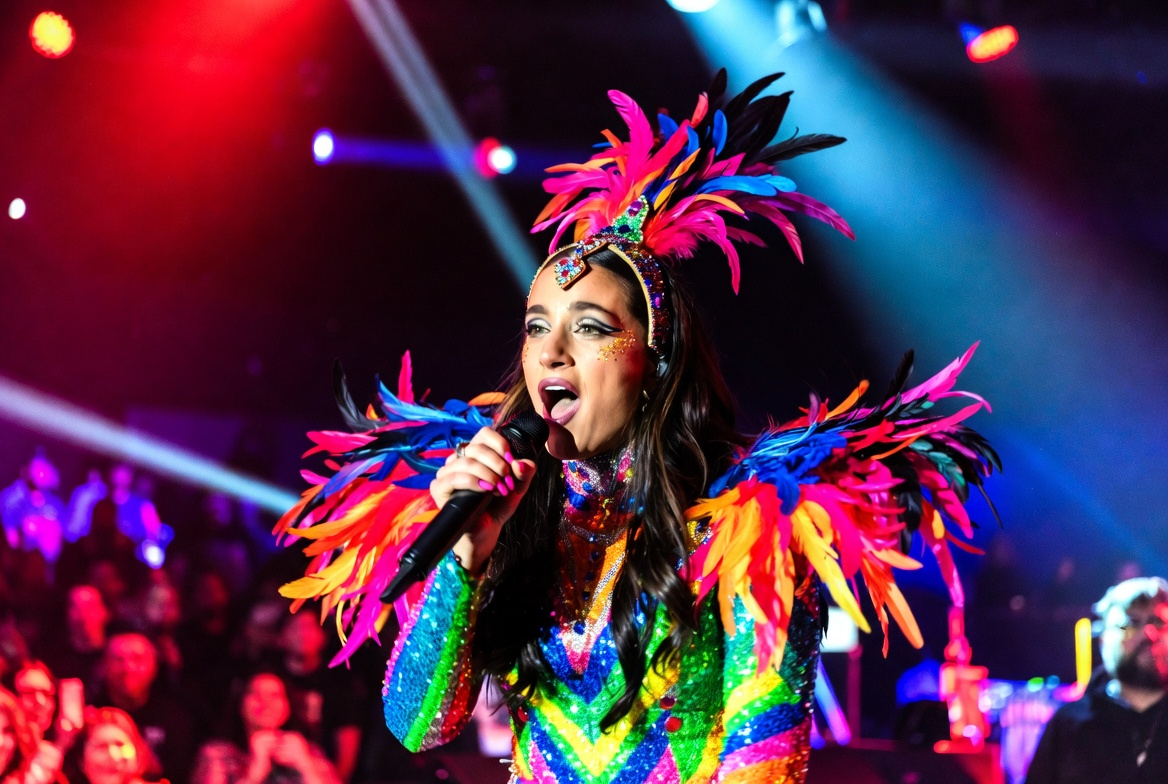
What drives the phenomenon at its core is the music itself. Her songwriting occupies a specific emotional register — fiercely vulnerable, theatrically grand, and lyrically precise — that speaks directly to an audience that has been waiting, perhaps without knowing it, for exactly this kind of voice. The production choices are equally deliberate: cinematic in scale, emotionally layered, and built to hit differently in headphones at midnight than in an arena at full volume. Both experiences are extraordinary and distinctly intended.
Her visual identity has been as carefully constructed as the sound. The costuming, the stage design, the alter-ego mythology she has built around her public persona — each element feeds into a cohesive world that fans are not just listening to but actively inhabiting. The community that has formed around her work is one of the most creatively engaged in contemporary music, producing fan art, covering her songs, and building the kind of participatory culture that the most enduring artists inspire.
Industry veterans who have been watching her trajectory describe a once-in-a-generation talent operating at full creative power in real time. “You can feel that history is being made,” one senior music executive shared recently. “The combination of songwriting, performance, visual identity, and authentic audience connection — you simply do not see all four of those at this level simultaneously. Not like this.”
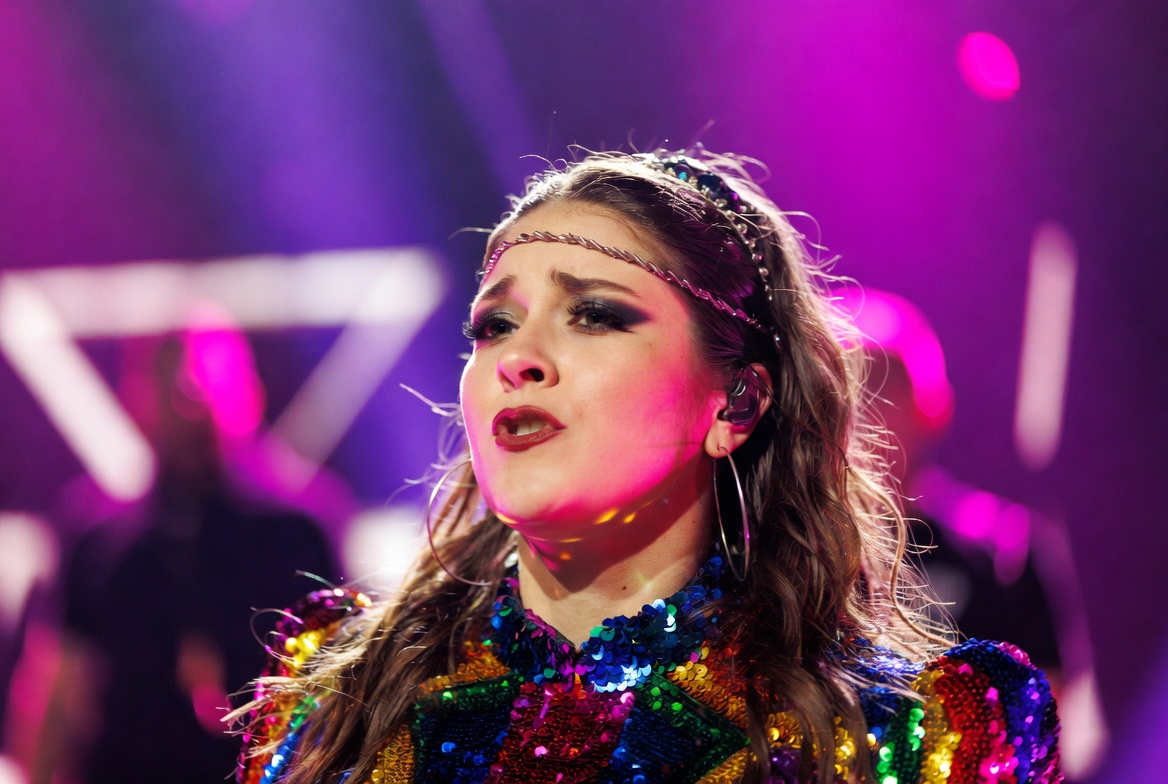
What comes next for Chappell Roan is the question consuming the music industry right now. A major album cycle appears imminent, with production sources suggesting material that pushes even further into the ambitious creative territory her early releases established. Festival headline slots at the largest American music events are reportedly confirmed for the coming season. And a cultural footprint that is already substantial appears poised to expand into film, fashion, and brand partnerships that her team is reportedly approaching with the same intentionality that has defined every decision to date.
For the fans who discovered her early — who were in the rooms when the venues were small and the crowd was intimate — there is a particular bittersweet joy in watching the world catch up. They knew first. And what they knew, the rest of America is now learning with the breathless excitement of discovery: that Chappell Roan is the real thing, in every sense that phrase has ever carried. Pop music has changed. And it changed because she arrived.