
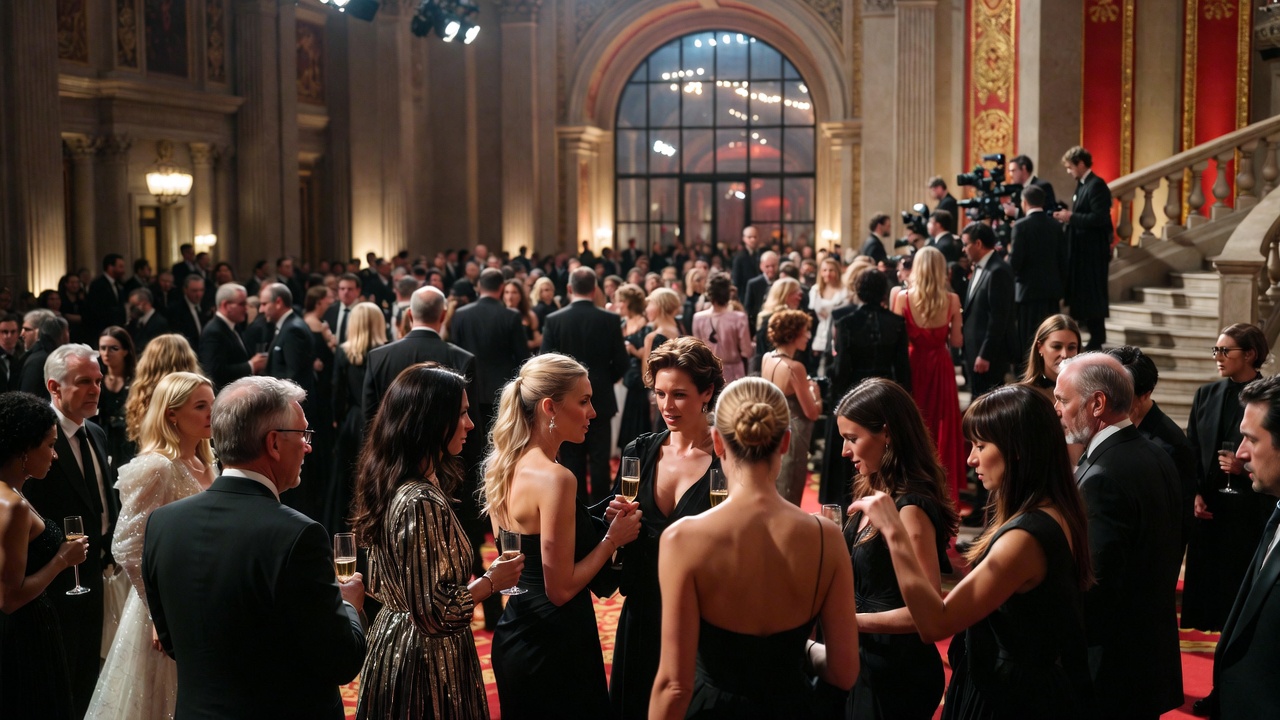
Every year, the Met Gala promises to be fashion’s biggest night. Every year, the reality either delivers on that promise or falls memorably short. The 2025 edition did something rarer and more interesting than either outcome — it produced a night so layered with meaning, subtext, drama, and genuine spectacle that fashion historians are already debating how to properly categorize it.
The theme demanded creative risk-taking from attendees in a way that more accessible annual themes often do not. Those who rose to the challenge produced looks that will be studied and referenced for years. Those who played it safe — and there were more than a few — found their choices immediately overshadowed by the genuine boundary-pushers whose commitment to the concept was total and uncompromising.
The standout moment of the red carpet — the image that will define this particular Gala in collective memory — came from an artist whose relationship with fashion has been transformative for multiple houses over the past several years. The construction of the look required eight months of collaborative development between the wearer and an atelier team that worked exclusively on the single piece. The result stopped every camera on the red carpet simultaneously — a rare achievement in an environment specifically designed to generate such moments.
Inside the venue, away from the cameras, is where the most interesting stories of any Met Gala actually unfold. The seating arrangements — always a carefully managed diplomatic exercise — produced several proximity situations that resulted in genuinely awkward moments between celebrities whose public conflicts were well known to everyone present. Eyewitnesses describe one particular corner of the room generating the kind of tension that even the most sophisticated social environments struggle to contain gracefully.
The performances were, by consensus, the strongest in recent Gala memory. The headlining act delivered a set that attendees describe as genuinely moving in a setting not traditionally associated with emotional resonance. Several celebrities were openly in tears by the performance’s end — and in a room where maintaining composure is a professional obligation, the sight of A-listers visibly affected struck observers as particularly telling.
The food and beverage experience, always a subject of significant Gala lore given the event’s historic reputation for providing neither in adequate quantities, apparently underwent a dramatic improvement this year — a development that several attendees noted with the particular enthusiasm of people who had survived previous years’ hunger. The improvement was attributed, sources say, to a celebrity attendee who made the quality of the catering a personal condition of their attendance.
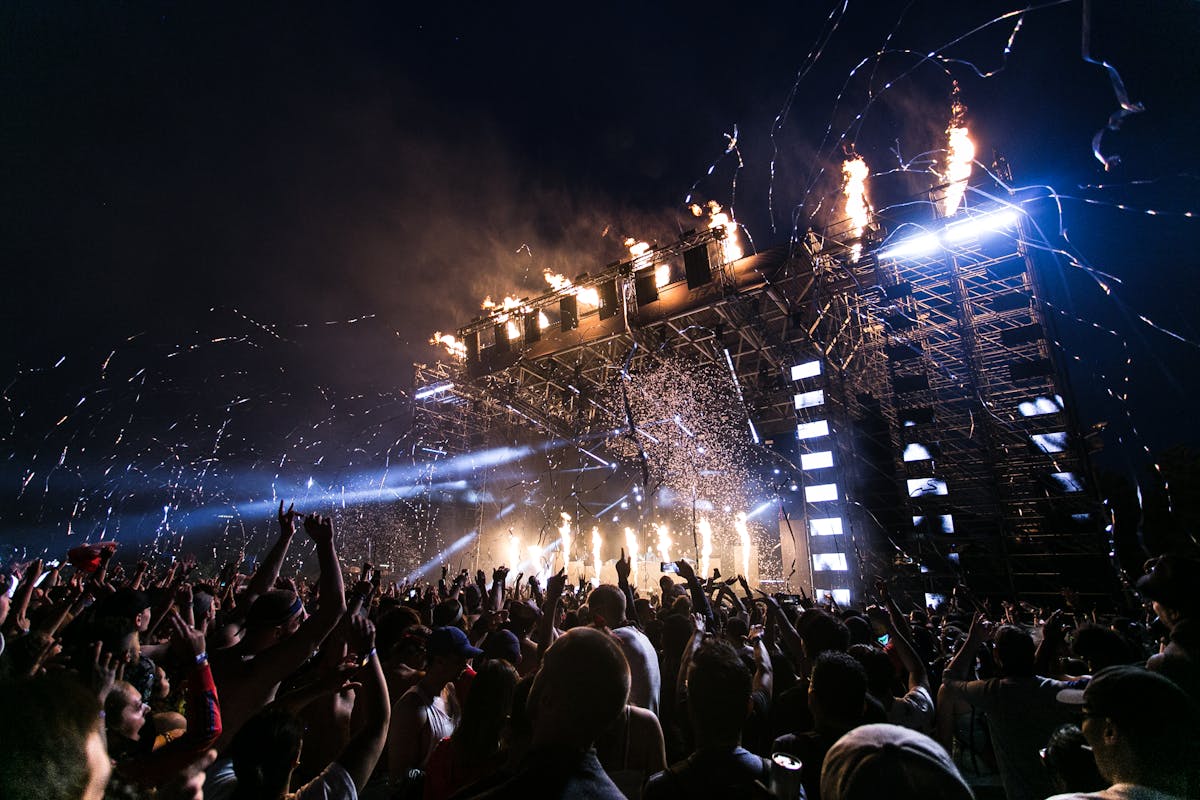
The after-parties generated their own headlines, as they always do. The most talked-about gathering took place in a location that had not been on any of the official after-party lists — a private arrangement hosted by a major fashion house for a guest list of approximately forty people that included, by most accounts, the most concentrated collection of cultural power assembled anywhere in the world that evening.
What happens in that room stays in that room, by longstanding and mutually respected agreement. But those who were present describe conversations that will influence creative decisions, business partnerships, and cultural directions for years to come. The Met Gala’s documented legacy lives in the photographs. Its undocumented legacy lives in those rooms — in the connections made, the collaborations sparked, and the ideas that begin their journey from concept to reality in the unguarded hours after the cameras have gone home.